
Not Your Keys,
Not Your Coins.
In the world of Bitcoin, you are the bank. This absolute freedom comes with absolute responsibility. Learn how to secure your digital wealth using industry-standard practices, from private keys to hardware cold storage.
Trusted Security Methodologies Recommended By



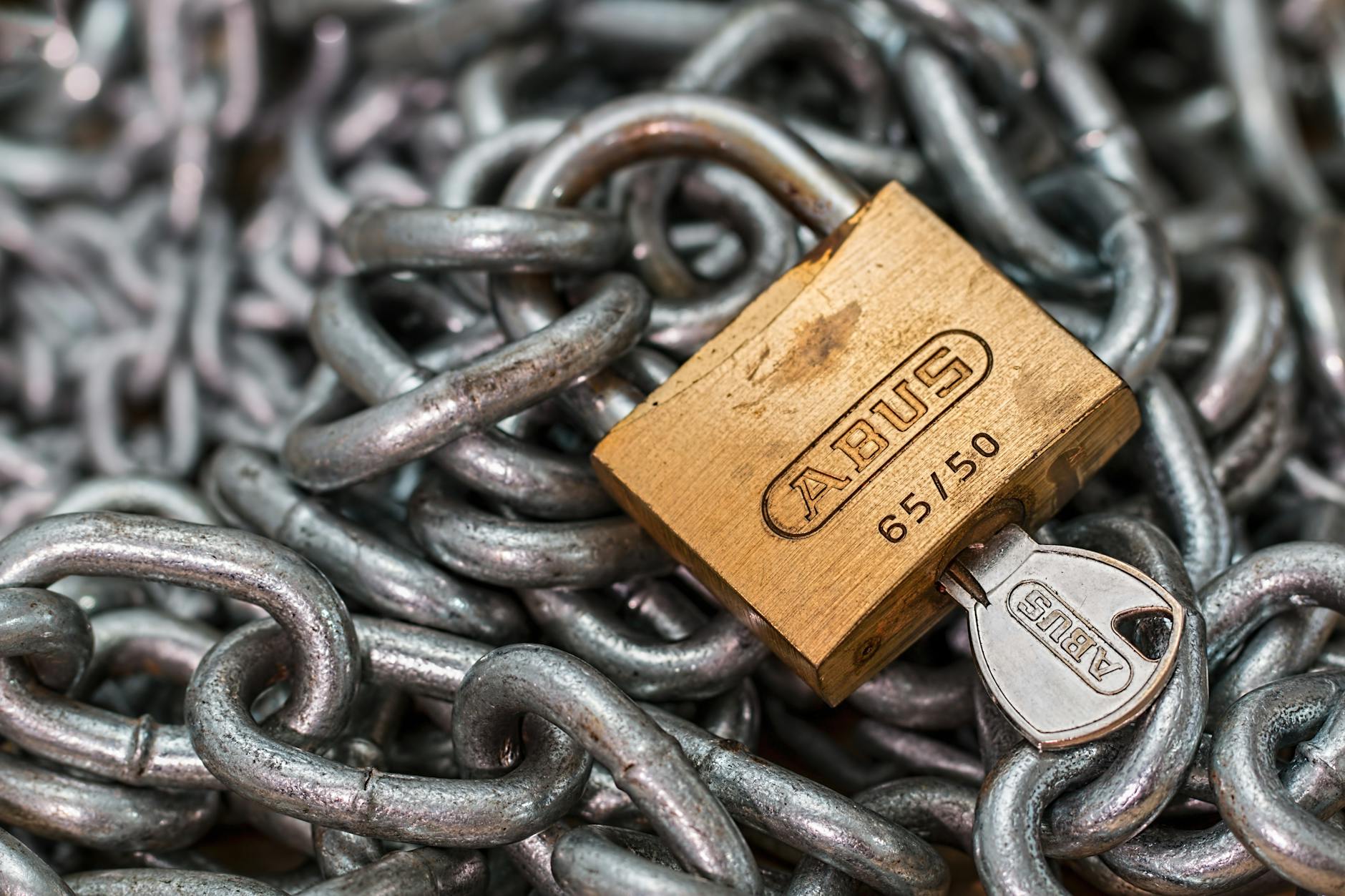
Understanding the Cryptographic Duo
Bitcoin security relies on asymmetric cryptography. Imagine a mailbox: anyone can drop a letter in (Public Key), but only the person with the unique physical key can open it and take the contents out (Private Key).
The Public Key (Your Address)
This is like your IBAN or email address. You share this with others so they can send you Bitcoin. It is safe to expose.
The Private Key (Your Digital Signature)
This is the secret code that allows you to spend your Bitcoin. If someone gets this, they own your funds. Never share it.

The Wallet Spectrum
Choosing a wallet is a balance between convenience and security. From daily spending to generational wealth storage.

Hot Wallets
Connected to the internet. Apps like BlueWallet or Muun. Perfect for small amounts and frequent transactions.
- ✔ Instant access
- ✔ Free to use
- ✘ Vulnerable to malware
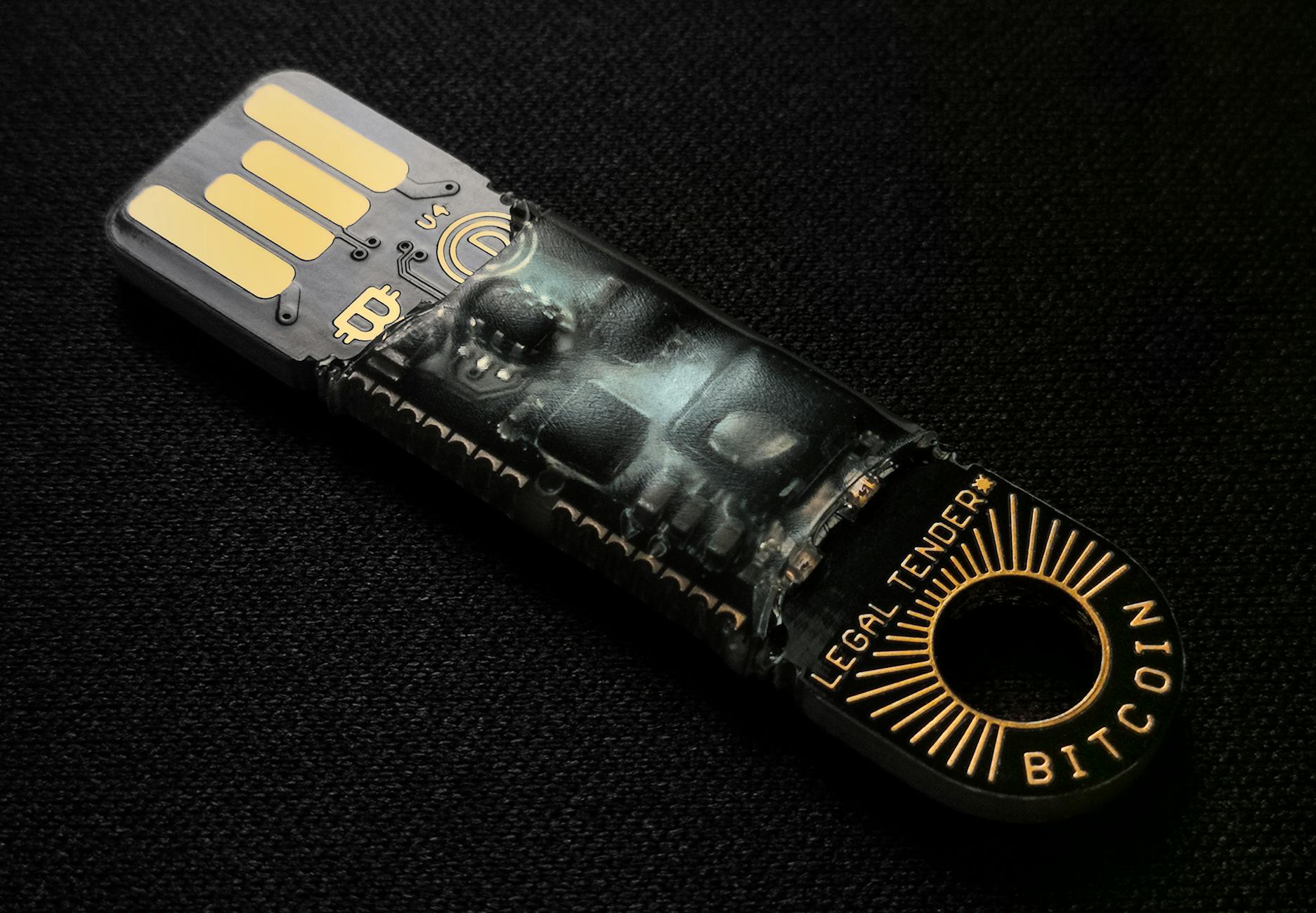
Hardware Wallets
Physical devices that keep keys offline. The "Gold Standard" for security. Examples: Ledger, Trezor, Coldcard.
- ✔ Immune to online hacks
- ✔ Physical confirmation
- ✘ Costs $60 - $200

Cold Storage (Steel)
Engraving your seed phrase on stainless steel. Fireproof, waterproof, and EMP-proof long-term backup.
- ✔ Indestructible
- ✔ No electronics
- ✘ Harder to update
Bitcoin Security Score Simulator
Select your current setup to see how secure your Bitcoins really are.
Awaiting Input...
Fill out the form to receive professional security advice based on your current Bitcoin storage habits.
The 12-24 Word Master Key
When you set up a wallet, you are given a "Seed Phrase" (Mnemonic). These words are a human-readable representation of your private key.
// Example Seed Phrase (Never use these!)
abandon ability able about above absent absorb abstract absurd abuse access accident
If your hardware wallet breaks, is stolen, or lost, these words allow you to recreate your wallet on any other device. The device doesn't matter; the words do.
NEVER:
- • Take a photo of it
- • Type it in a computer
- • Store it in the cloud
ALWAYS:
- • Write it on paper/steel
- • Keep it offline
- • Store it in a safe

Comparison: Where should you store?
| Feature | Exchange | Software Wallet | Hardware Wallet |
|---|---|---|---|
| Ownership | Third-party | You | You (Absolute) |
| Hack Risk | High (Platform hack) | Medium (Malware) | Near Zero |
| Ease of Use | Very Easy | Easy | Moderate |
| Cost | Free | Free | $60 - $250 |
| Best For | Active Trading | Small Spending | Life Savings |
Security FAQ
What happens if I lose my hardware wallet?
Your Bitcoin is not "inside" the device; it's on the blockchain. The device is just the key. As long as you have your 24-word seed phrase, you can buy a new device and restore your funds instantly.
Can someone guess my seed phrase?
The number of possible combinations in a 24-word seed phrase is 2^256. This is more than the number of atoms in the observable universe. It is mathematically impossible to "guess" or brute-force a seed phrase.
Should I use a "Passphrase" (25th word)?
Yes, for advanced users. A passphrase acts as a second factor. Even if someone finds your 24 words, they cannot access your funds without the secret passphrase you've memorized.
Is it safe to buy a used hardware wallet?
NO. Never buy a used wallet. It could be tampered with or have a pre-generated seed phrase. Only buy directly from the manufacturer (Ledger, Trezor, etc.).
What is a "Multisig" wallet?
Multi-signature wallets require 2 out of 3 (or more) keys to authorize a transaction. This eliminates a single point of failure. If one key is stolen, your funds are still safe.
Can the government seize my Bitcoin?
If you hold your own keys, no one can "freeze" your account. However, they can use legal pressure. Self-custody gives you the ultimate power over your property.
How often should I check my cold storage?
It's good practice to check the physical integrity of your backups once or twice a year. You don't need to plug in the device; just ensure your seed phrase is still readable.
What is a "Wrench Attack"?
This refers to physical coercion (someone threatening you for your keys). Using a "Duress PIN" or "Hidden Wallet" feature on hardware wallets can help mitigate this risk.
Do I need to pay for wallet software?
Most reputable Bitcoin software wallets (BlueWallet, Sparrow, Electrum) are open-source and free. You only pay for hardware devices.
What is the "Orange Pill"?
It's a slang term for the moment someone truly understands Bitcoin's value proposition and security model. Welcome to the club!
Ready to take the first step?
Now that you understand how to protect your assets, it's time to learn how to actually acquire them and make your first transaction.