
Your First Satoshis:
From Zero to Sovereign
The bridge between the traditional financial system and the Bitcoin network is often the most intimidating part. This guide provides a clinical, safe, and efficient path to acquiring and securing your first Bitcoin fractions.
Trusted by thousands of new Bitcoiners
The Pre-Flight Checklist
Before you spend a single cent, ensure you have these four pillars ready. Skipping these steps is how most beginners lose their funds.
1. Non-Custodial Wallet Ready
Never leave your Bitcoin on an exchange for longer than necessary. You must have your own wallet address generated where you hold the private keys. If you haven't done this, visit our Security Guide immediately.
2. Identity Verification (KYC)
Most reputable platforms require a government ID and a selfie. This is called "Know Your Customer." Prepare your passport or driver's license in advance to avoid delays in the verification process.
3. Funding Method
Bank transfers (SEPA/ACH) are usually the cheapest. Credit cards are faster but come with significantly higher fees (often 3-5%). Decide your priority: speed or cost-efficiency.
4. Two-Factor Authentication (2FA)
Security is non-negotiable. Download Google Authenticator or Authy. Never use SMS-based 2FA as it is vulnerable to SIM-swapping attacks.
Step 1: Selecting Your On-Ramp
An "on-ramp" is a service that exchanges your local currency (USD, EUR, etc.) for Bitcoin. There are three main types of platforms, each serving different needs.
Centralized Exchanges (CEX)
Platforms like Coinbase, Kraken, or Binance. They offer the highest liquidity and easiest interfaces but require full KYC.
Bitcoin-Only Apps
Services like Swan Bitcoin, River, or Strike. These focus exclusively on BTC, often offering lower fees and better educational resources.
Peer-to-Peer (P2P)
Platforms like Bisq or RoboSats. These allow you to buy directly from individuals, often preserving more privacy but requiring more technical knowledge.
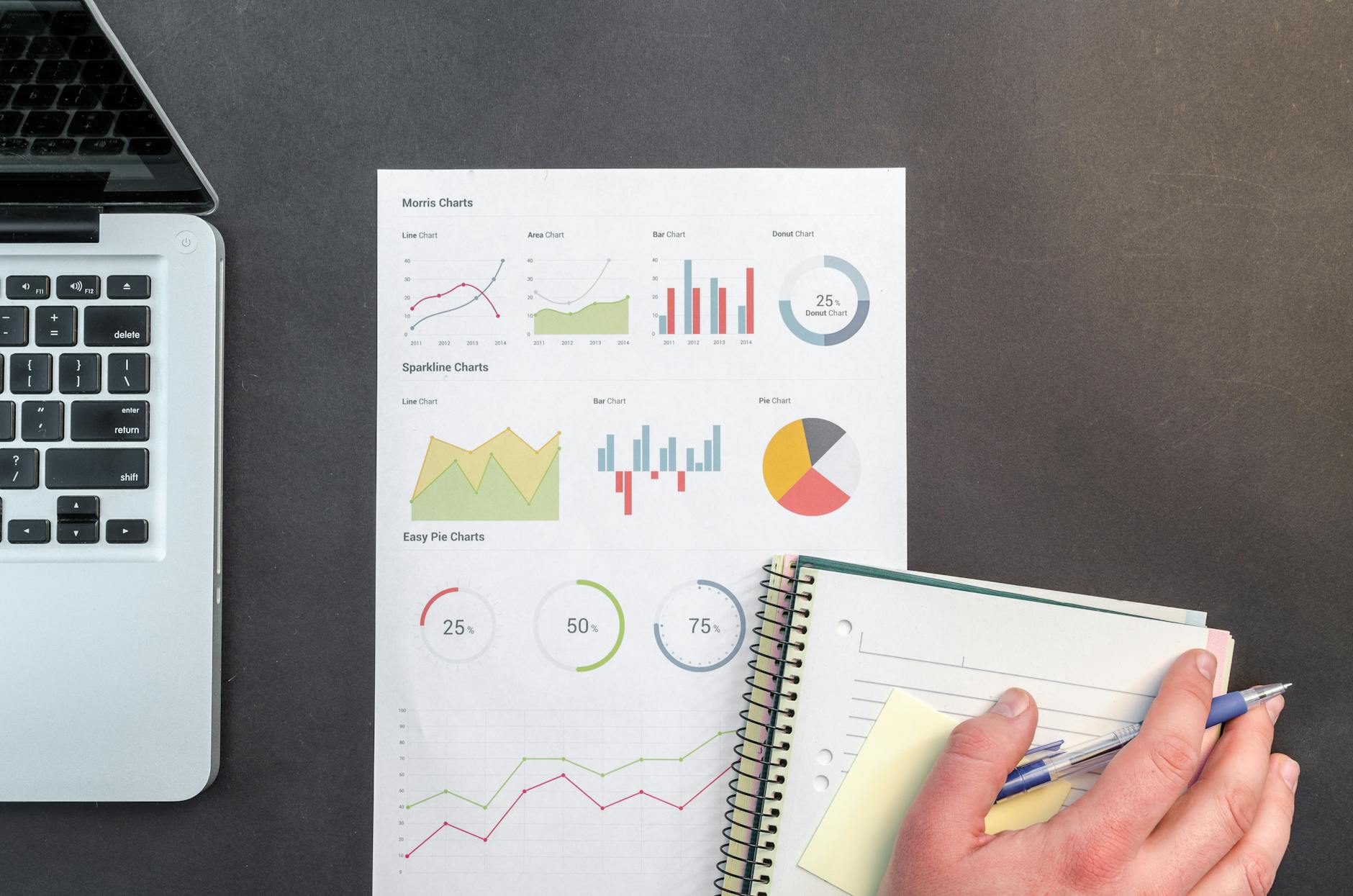
"For beginners, we recommend a Bitcoin-only service to avoid the noise of thousands of speculative altcoins."
Satoshi Calculator
Bitcoin is divisible down to 8 decimal places. The smallest unit is a Satoshi. Use this tool to visualize your purchase.
You will receive approximately:
In Satoshis:
Note: This does not include exchange fees or network withdrawal fees. Always check the final quote before confirming.
Step 2: Executing the Trade
Deposit Funds
Navigate to the "Deposit" or "Funding" section of your chosen exchange. Select your currency and transfer method. If using a bank transfer, ensure the reference code matches exactly what the exchange provides.
Market vs. Limit Order
You have two main ways to buy:
- Market Order: Buys immediately at the current best available price. Fastest, but you might pay a slightly higher price.
- Limit Order: You set the specific price you are willing to pay. The trade only executes if the price hits your target.
Confirm and Review
Before clicking "Buy," review the fee breakdown. Most exchanges charge a percentage (0.1% to 1.5%) plus a spread. Once you confirm, the Bitcoin will appear in your exchange balance.
Step 3: The Great Escape (Withdrawal)
Your Bitcoin isn't truly yours until it's in a wallet you control. This is the "Withdrawal" phase.
Get Your Receive Address
Open your private wallet (e.g., Blockstream Green, BlueWallet) and click "Receive." Copy the alphanumeric string or QR code.
Initiate Withdrawal
On the exchange, go to "Withdraw" -> "Bitcoin." Paste your address. Double-check the first and last 5 characters.
Understand the Fees
You will pay a "Network Fee" (paid to miners) and sometimes an "Exchange Withdrawal Fee." These vary based on network congestion.
Deep Dive: Why do fees change?
Bitcoin has a limited amount of space in each block (roughly every 10 minutes). When many people want to send transactions at once, they compete by offering higher fees to miners.
Think of it like an auction for a seat on a bus. If the bus is empty, you can pay a penny. If there's a crowd, only the highest bidders get a seat.
The Mempool
The "Waiting Room" for transactions. You can check the current state of the mempool at sites like mempool.space to see if you should wait for lower fees.
vBytes & Weight
Fees aren't based on the amount of money sent, but on the data size of the transaction. Sending $1M costs the same as sending $1 if the data size is equal.
Critical Safety Warnings
The "Wrong Address" Trap
Bitcoin transactions are irreversible. If you send BTC to an Ethereum address or a mistyped address, those funds are gone forever. Always copy-paste; never type manually.
Phishing & Fake Apps
Only download wallets and exchange apps from official websites. Scammers create "clones" on the App Store that look identical but steal your seed phrase.
Public Wi-Fi Risks
Never log into your exchange or access your wallet on public Wi-Fi (airports, cafes). Use a VPN or your cellular data to prevent "Man-in-the-Middle" attacks.
The "Support" Scam
No exchange support will ever ask for your password, 2FA code, or seed phrase. If someone DMs you offering help, they are a scammer. Block them immediately.
Frequently Asked Questions
Can I buy less than one Bitcoin?
Yes! You can buy as little as $1 or $10 worth. Bitcoin is divisible into 100 million units called Satoshis.
How long does a transfer take?
A Bitcoin block is mined roughly every 10 minutes. Most exchanges require 2-3 "confirmations" (20-30 mins) before funds are available.
What is a "Spread"?
The difference between the buy price and the sell price. Some "fee-free" apps hide their costs in a large spread.
Do I need a bank account?
For most regulated exchanges, yes. For P2P platforms, you might use cash, gift cards, or other payment methods.
Why is my withdrawal "Pending"?
Exchanges often batch withdrawals to save on fees, or they may manually review large transfers for security.
What are "Network Fees"?
Fees paid to miners to include your transaction in a block. They don't go to the exchange.
Can I get a refund?
No. Bitcoin transactions are final. There is no "chargeback" mechanism in the Bitcoin protocol.
Is it too late to buy?
Bitcoin is a nascent global monetary system. Many believe we are still in the early adoption phase. Read our Fundamentals Guide for more.
What is "DCA"?
Dollar Cost Averaging. Buying a fixed amount (e.g., $20) every week regardless of price to reduce volatility impact.
Where can I see the fees?
Check our resources page for links to live fee trackers and mempool explorers.
Ready to take the leap?
You now have the knowledge to buy and move your first Bitcoin safely. Remember: start small, stay humble, and keep learning.